
Sustainable Livelihoods for the Siddi Community:
Sustainable livelihoods for the Siddi community are about more than survival. They represent dignity, resilience, and the foundation for a self-reliant future, which can be enhanced through sustainable-livelihoods-for-the-siddi-community.
Empowering Livelihoods through Agroforestry, Beekeeping, and Eco-Tourism
sustainable livelihoods for the siddi community are not just about survival—they create dignity, resilience, and self-reliance. For the Siddi community of Karnataka, Siddi Community Sustainable Development initiatives can transform centuries of marginalization into opportunities for growth and recognition.
The importance of sustainable livelihoods for the siddi community cannot be overstated, as they pave the way for lasting change and empowerment.
By focusing on sustainable livelihoods for the Siddi community, we can ensure their future is marked by empowerment and self-sufficiency.
Who Are the Siddis?
The Siddis are descendants of Africans who arrived in India over 300 years ago, through routes linked to the Portuguese, Arabs, and Indian rulers. Today, they are a vibrant part of Karnataka’s social fabric, particularly in districts like Uttara Kannada (Haliyal, Yellapur, Ankola) and parts of Belagavi and other parts of India.
Despite their cultural richness—expressed in music, dance, and deep knowledge of forests—many Siddis live in remote areas with limited access to education, healthcare, and steady income. Their livelihoods often rely on daily wage labor, rainfed agriculture, and forest produce collection.

https://en.wikipedia.org/wiki/Siddis_of_Karnataka?utm_source=chatgpt.com
Why Sustainable Livelihoods Matter for sustainable livelihood for the siddi community.
For the Siddis, sustainable livelihoods are more than an economic solution; they are a path to inclusion. Three critical reasons make this urgent:
Economic Security – Many families depend on irregular income. Long-term livelihood options reduce dependency on exploitative wage work.
Environmental Balance – Siddis’ traditional knowledge of forests, agriculture, and biodiversity makes them natural partners in sustainable models.
Sustainable livelihoods for the siddi community and Social Empowerment – Self-reliance reduces dependency on external aid, giving youth confidence and visibility.
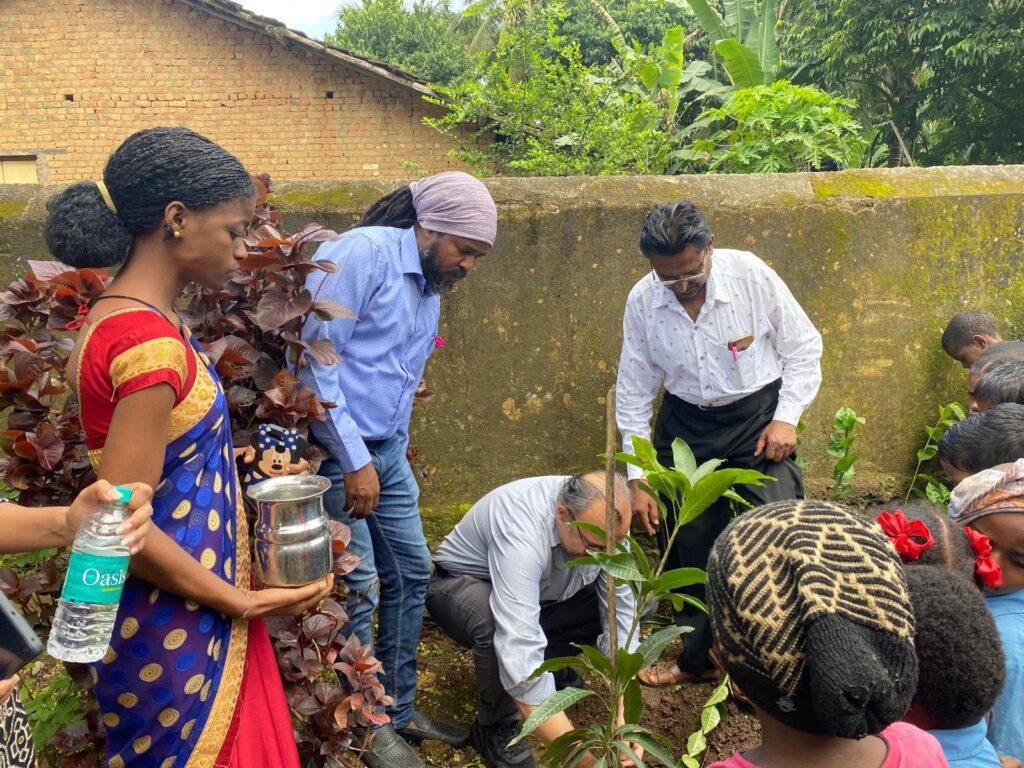
Pathways to Sustainable Livelihoods for the Siddi Community
3.1 Agroforestry and Organic Farming
Agroforestry integrates trees, crops, and livestock to provide multiple sources of income. Siddis can cultivate:
Fruit trees like mango, jackfruit, and cashew.
Medicinal plants with growing demand in Ayurveda markets.
Millets and pulses, which are both climate-resilient and nutritious.
Community training in organic certification can help their produce enter urban and global markets.

3.2 Beekeeping for Sustainable Livelihoods in the Siddi Community
Beekeeping is a low-cost, high-value livelihood option. The biodiversity of the Western Ghats allows production of:
Wild honey with medicinal value.
Beeswax products like candles, balms, and soaps.
Siddi youth can be trained in bee-box management and packaging for premium sales. Partnerships with cooperatives or e-commerce platforms can bring significant returns.

3.3 Eco-Tourism and Cultural Heritage
The Siddi community has a rich cultural heritage that can be celebrated through eco-tourism initiatives. Possibilities include:
Community-led homestays showcasing forest life and cuisine.
Traditional Siddi dance and music performances for visitors.
Guided forest treks highlighting local biodiversity.
This not only generates income but also strengthens pride in their culture.
3.4 Handicrafts and Natural Products
Siddis possess traditional skills with natural materials like bamboo, leaves, and wood. With training, they can produce:
Bamboo baskets and mats.
Areca leaf plates (eco-friendly alternatives to plastic).
Herbal products from forest resources.
Digital marketing platforms can connect these products to buyers worldwide.
traditional kawandi making(stitching patch of fabrics together


3.5 Renewable Energy and Green Jobs
As India transitions to sustainable energy, Siddis can benefit from:
Training in solar panel installation and maintenance.
Jobs in bio-gas and green construction projects.
Community use of renewable energy to reduce expenses and improve living conditions.
4. Partnerships for Change
No community can achieve sustainable livelihoods in isolation. Partnerships with government, NGOs, and CSR programs are vital. Areas where collaboration is needed for sustainable livelihood for the siddi community. :
Microfinance and Credit Access – To invest in small businesses and farms.
Skill Development Training – Especially in market-oriented skills like digital literacy, packaging, and eco-tourism management.
Market Linkages – Creating cooperatives to sell produce beyond local mandis.
Policy Support – Ensuring forest rights under Forest Rights Act (FRA) 2006 are secured.
5. Case Examples from the Siddis
Haliyal, Uttara Kannada: Some Siddi farmers have shifted from monocropping to multi-cropping agroforestry, improving both income and soil health.
Yellapur region: Pilot projects in beekeeping have shown promise, with women’s groups successfully producing organic honey.
6. Building a Self-Reliant Future
sustainable livelihood for the siddi community. mean more than income—they represent recognition, dignity, and independence. By weaving together their traditional ecological wisdom with modern skills, the Siddis can become leaders in inclusive and green development.
The vision is clear:
A Siddi household with secure food and income.
Youth engaged in dignified jobs within their communities.
Cultural pride celebrated alongside economic progress.
Conclusion
Investing in sustainable livelihoods for the Siddis is not just development—it is justice. By ensuring they have access to resources, markets, and skills, we allow a historically marginalized community to thrive. In doing so, the Siddis can stand as stewards of forests, culture, and resilience, contributing not only to their own future but also to India’s vision of sustainable development.
This article is part of our broader documentation work. For extended narratives and original reports, visit akssada.com.