
Who We Are
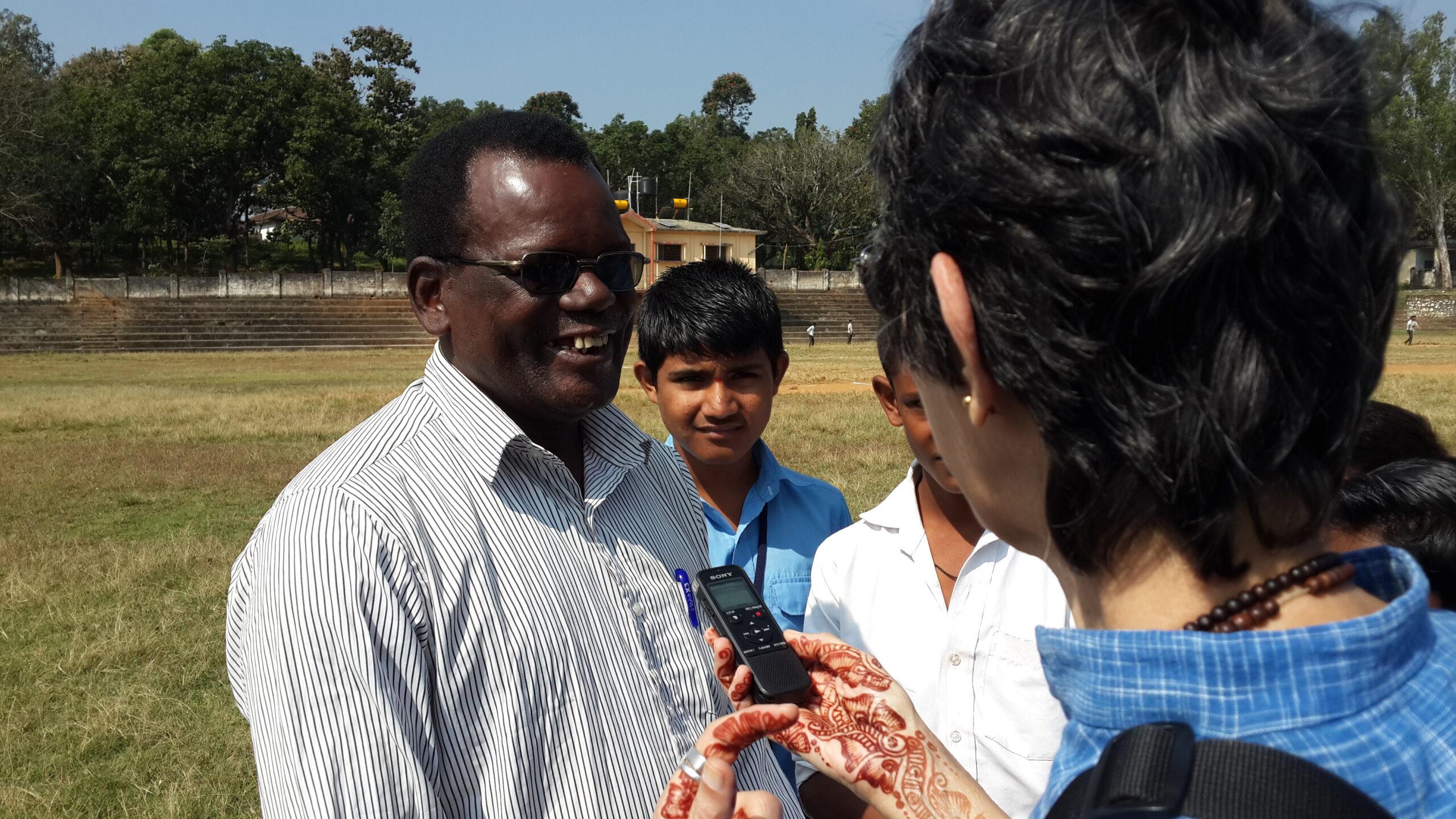
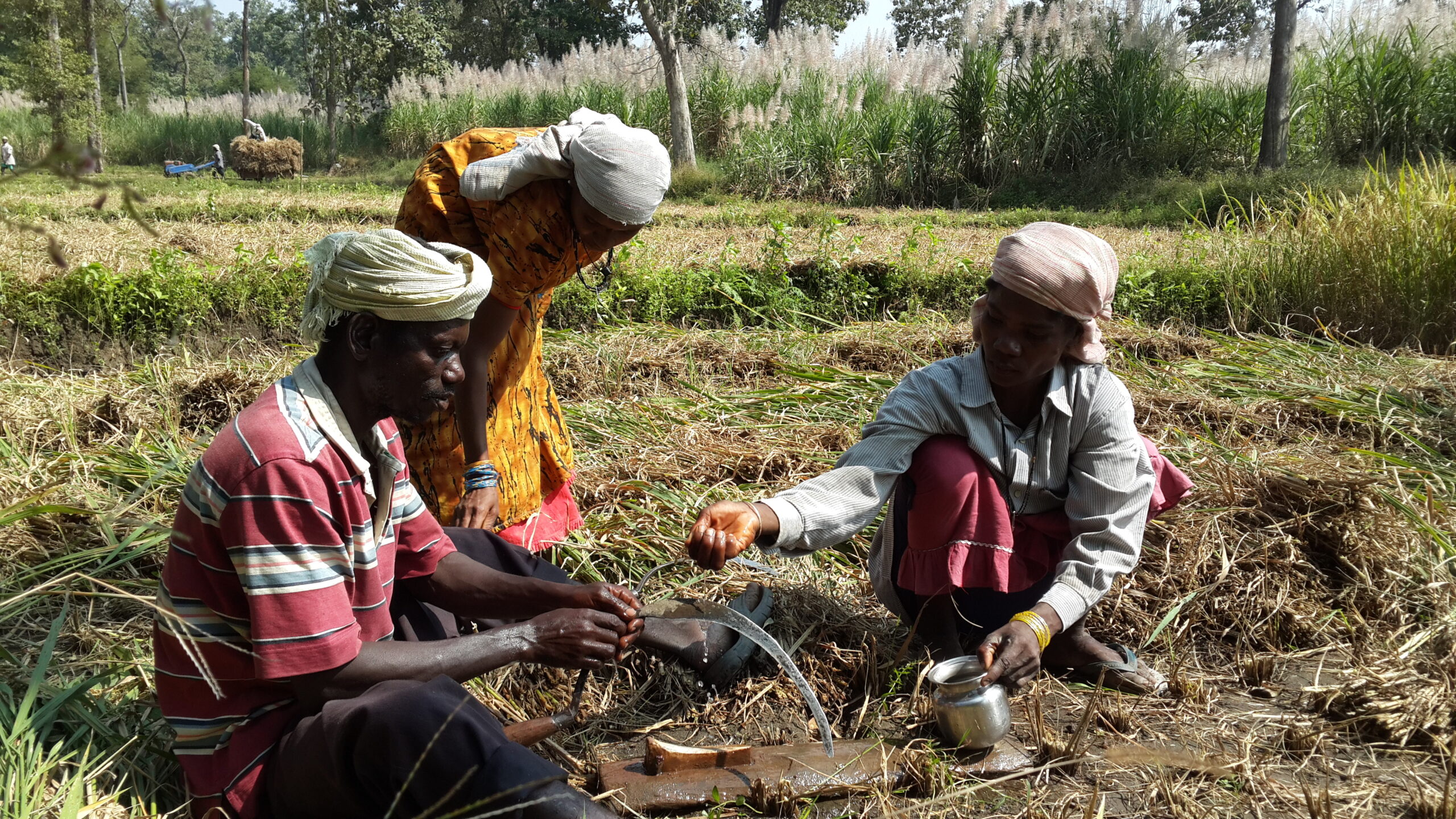
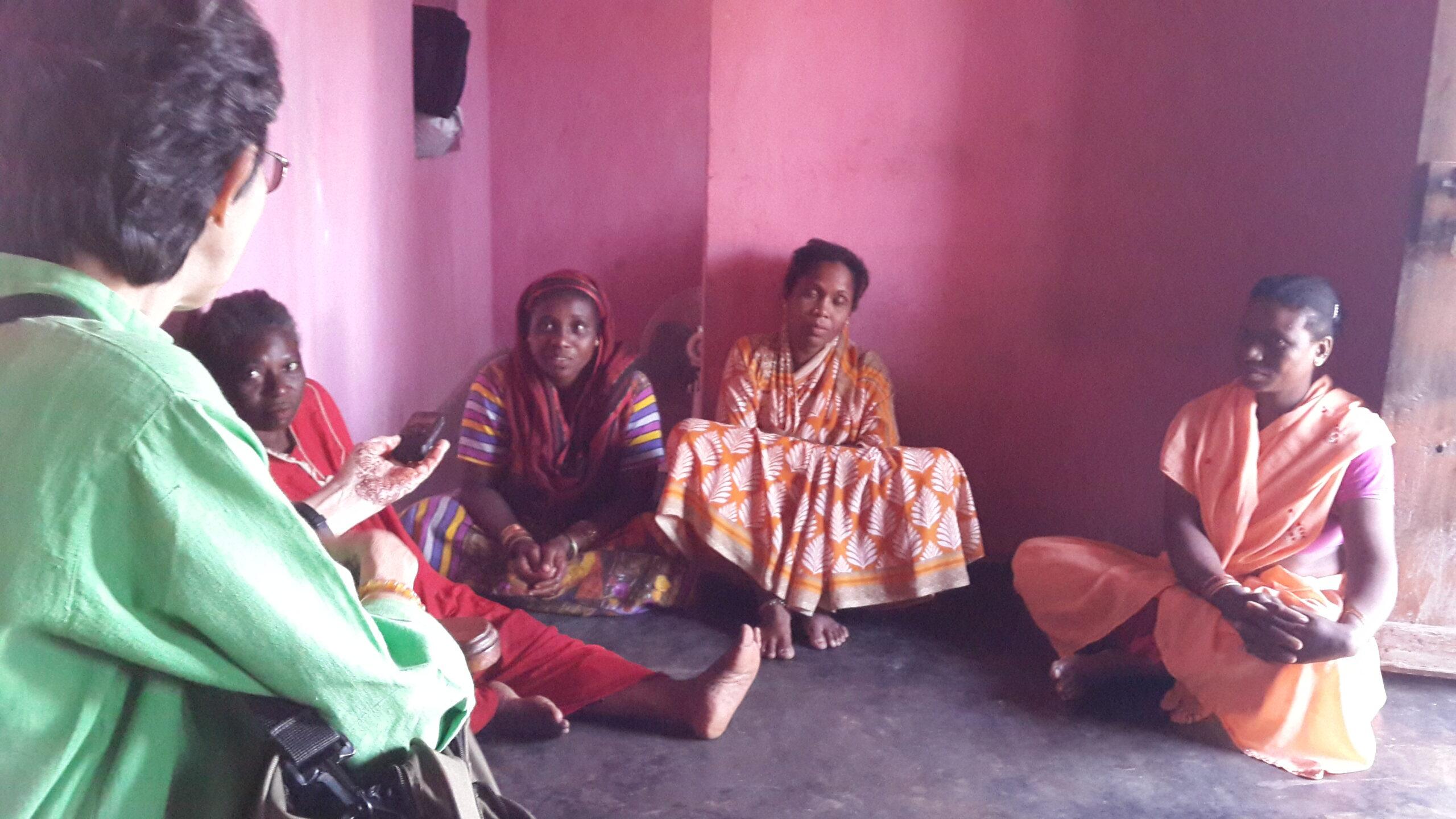
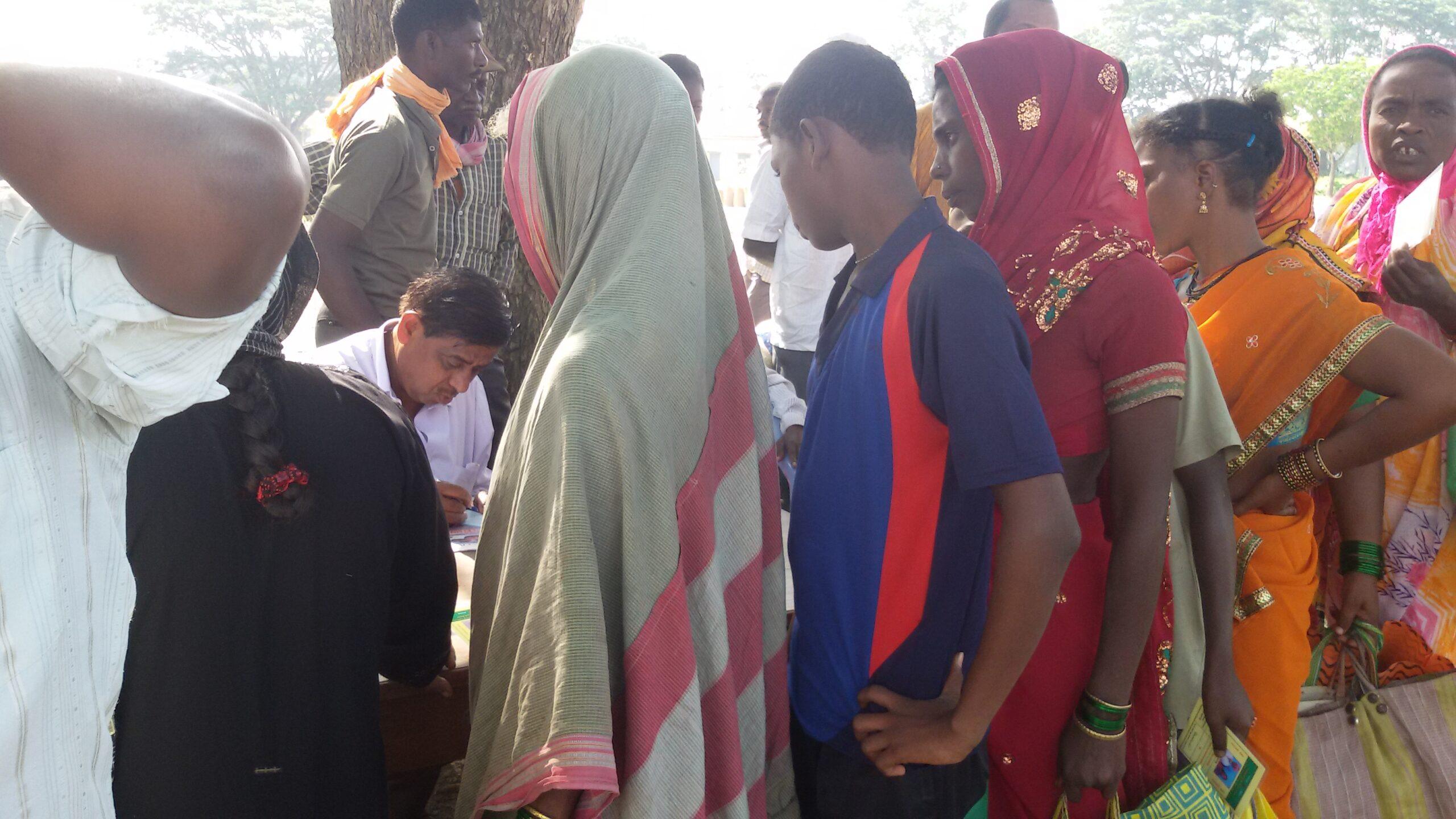
The Siddi community has a unique history in India, with origins tracing back to East Africa between the 7th and 17th centuries. Over centuries, they became part of India’s cultural fabric while maintaining elements of their African heritage. The forest-dwelling communities of Uttara Kannada, including the Siddi, Kunbi, and Gawli, share deep ties to the forests, rivers, and wildlife around them. They depend on these natural resources for livelihoods — farming, forest produce, and traditional crafts.
However, these communities face challenges such as:
Limited access to education and healthcare
Land insecurity and poverty
Loss of traditional livelihoods due to deforestation and climate change
Cultural erosion and social discrimination
AKSSADA was formed to address these issues through a community-first approach — working with the people, not for them.
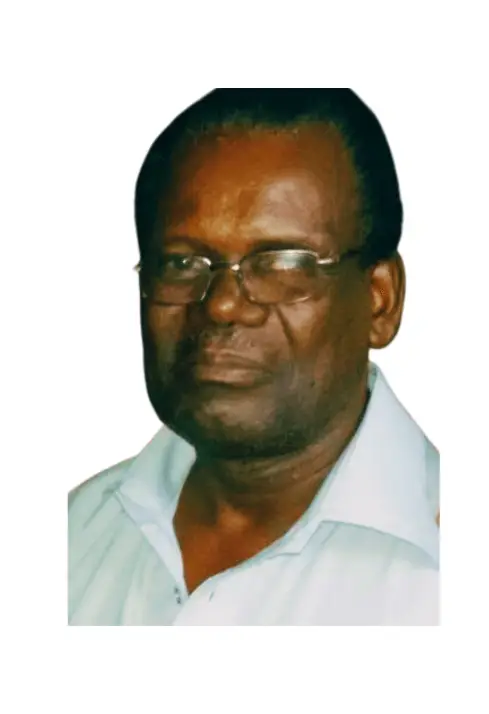

AKSSADA (All Karnataka Siddi Social & Aspirational Diversification Association) was established as a continuation of the legacy of AKSDA (Akhil Karnataka Siddi Development Association), originally founded by the late Cajetan Francis Kamberkar — the first graduate and government employee from the Siddi community of Karnataka. AKSDA was created to promote the welfare, representation, and socio-economic development of the Siddi community.
The organization was active until 1993, but became inactive due to lack of structure and support. In 2016–17, revival efforts began, leading to impactful community initiatives despite limited resources. The passing of Mr. Kamberkar in 2018 slowed progress, highlighting the need for a sustainable model.
As the original entity was no longer legally active, a new Section 8 not-for-profit company — AKSSADA — was formed to continue the mission with a structured, compliant, and professional approach. Today, AKSSADA works with tribal and forest-dwelling communities, including the Siddi population, implementing development programs, managing grants, and building cross-sector collaborations.
Our Vision
A future where forest communities in Karnataka are economically self-reliant, culturally proud, and active stewards of their natural environment.
Our Objectives


Education & Skill Development
literacy, vocational, and digital training, with support for school dropouts to resume education.




Partnerships & Networking
working with government, NGOs, and the private sector for mutual growth.
Our Approach



Cultural Respect
Programs are designed to strengthen cultural pride alongside economic growth.
Looking Ahead
As a newly established company, our immediate goals for 2025–2026 are:
Launching pilot beekeeping projects in 3 villages.
Setting up a medicinal plant nursery for income generation.
Organizing cultural heritage events to engage youth.
Starting forest conservation clubs in schools.