
A journey into the life, culture, and resilience of the Siddi people . African Roots, Indian Identity, of the Siddi Community of India — From a Siddi
African Roots, Indian Identity — From a Siddi descendants of Africans who made India their home over 300 years ago, still striving for dignity and recognition today.
When people hear the word “Siddi”, they often ask:
“Are you from Africa?” The answer is both yes — and no. African Roots, Indian Identity — From a Siddi perfectly captures the rich and unique heritage of this community, highlighting their journey, resilience, and integration into Indian society. The Siddi Community of india, known for their African roots and Indian identity, represents a unique cultural heritage that spans centuries. African Roots, Indian Identity — From a Siddi highlights their journey, contributions, and resilience in India.
The Siddi community is an Afro-descendant community in India, primarily descended from the Bantu peoples of East Africa. Their journey to the Indian subcontinent spans more than a thousand years. As early as the 7th century, Siddis arrived through Arab merchants involved in the trans-Indian Ocean trade. Over time, Portuguese and British traders also brought African men, women, and children to India, some as enslaved people, others as soldiers, sailors, or servants.
By the 16th century, Siddis were no longer just laborers. Many became warriors, guards, and officials in various Indian kingdoms. Some rose to significant prominence, such as Malik Ambar, the Ethiopian-born Siddi who became a celebrated military leader and regent of the Ahmadnagar Sultanate in the Deccan. Other Siddis settled in coastal regions, blending African traditions with local Indian cultures to create a unique cultural synthesis.
Today, the Siddi community of india, is mainly concentrated in Karnataka, Gujarat, Maharashtra, and Andhra Pradesh, with smaller populations in Goa and Telangana. In Karnataka, especially in the districts of Uttara Kannada, Dharwad, and Belagavi, Siddis have preserved a vibrant cultural identity. Their music, dance, and spiritual practices reflect deep African roots while also embracing centuries of Indian influence.
Despite this rich cultural heritage, many Siddi families still face social and economic challenges. Access to quality education, employment opportunities, and social inclusion remains limited for a significant portion of the community. NGOs and organizations like AKSSADA are working to empower the Siddi community through programs that promote education, sustainable livelihoods, and cultural preservation.
The Siddi people are also increasingly gaining recognition for their contributions to Indian arts and culture. Traditional Siddi dances and musical forms are celebrated in local festivals, while younger generations strive to keep their African heritage alive alongside their Indian identity. Through storytelling, performance, and community initiatives, Siddis continue to assert a proud identity that bridges continents and centuries.
Our roots are African.
Our heart is Indian.
Yet, we are often treated as foreigners in our own homeland.In conclusion, African Roots, Indian Identity — From a Siddi is more than a description; it is a testament to resilience, adaptation, and cultural fusion. The Siddi community stands as a living link between Africa and India,

People Hidden in Plain Sight African Roots, Indian Identity — From a Siddi
We speak the languages of our neighbors — Kannada, Konkani, Marathi, Gujarati — and practice the faiths around us. Some Siddis are Hindus, some Muslims, and others Christians. Our temples, mosques, and churches stand side by side in our villages. Worship for us is not just about rituals — it is about belonging, about showing that we are woven into India’s cultural fabric.
Yet, because of our African features, we are often looked at as “outsiders.” Generations of Siddis have lived in forest interiors and remote villages, cut off from education, healthcare, and opportunities. Roads, schools, and jobs reached us late. For decades, our only wealth was our forests, our fields, and our resilience.
But being left behind did not break us — it made us stronger.


African Roots, Indian Identity — From a Siddi Culture Carved in Resilience
Our culture is a bridge between Africa and India. It is alive in our:
a) Kawandi Quilts: The Art of Resilience
Kawandi quilts are vibrant, hand-stitched patchwork quilts made by Siddi women, especially in Karnataka. Using leftover fabric scraps, each quilt is built from the edges inward, layer by layer, until a colorful masterpiece emerges.
More than just blankets, Kawandis carry stories — of survival, creativity, and heritage. Every stitch reflects patience, community, and tradition passed down through generations. Today, these quilts have gained global recognition, not only for their striking beauty but also for the cultural identity they preserve.
For the Siddi women, quilting is more than craft — it is empowerment, turning threads of hardship into patterns of pride.


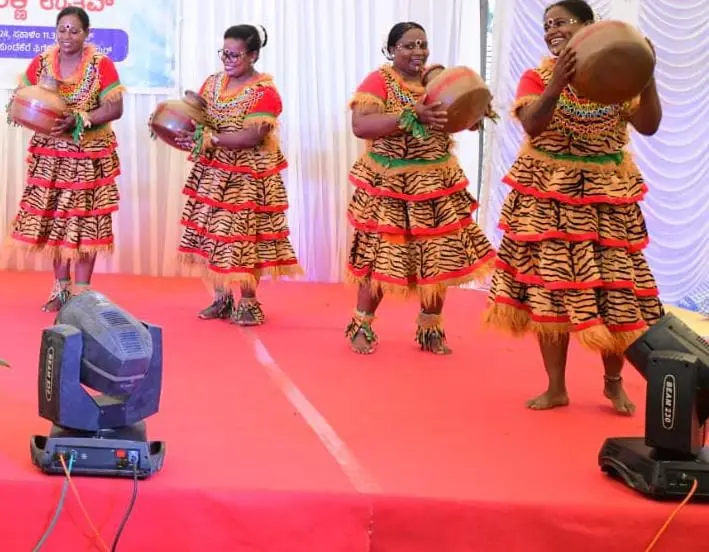
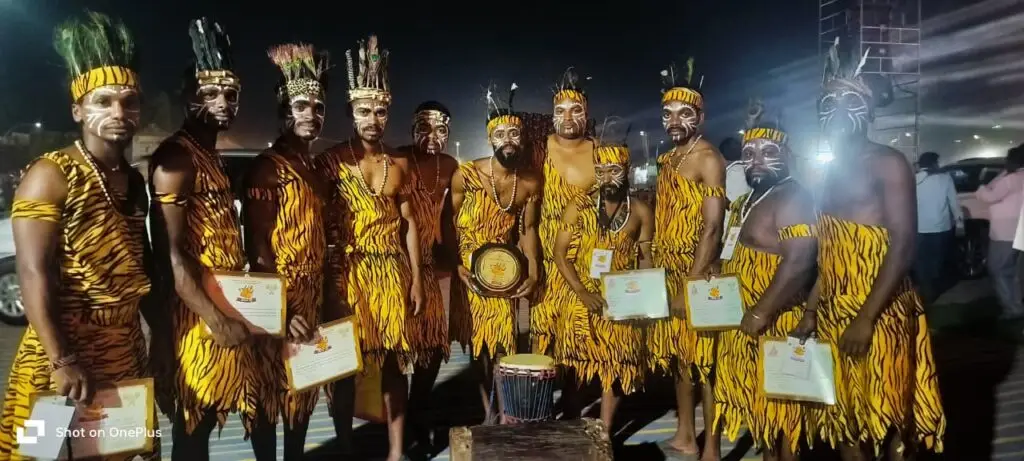
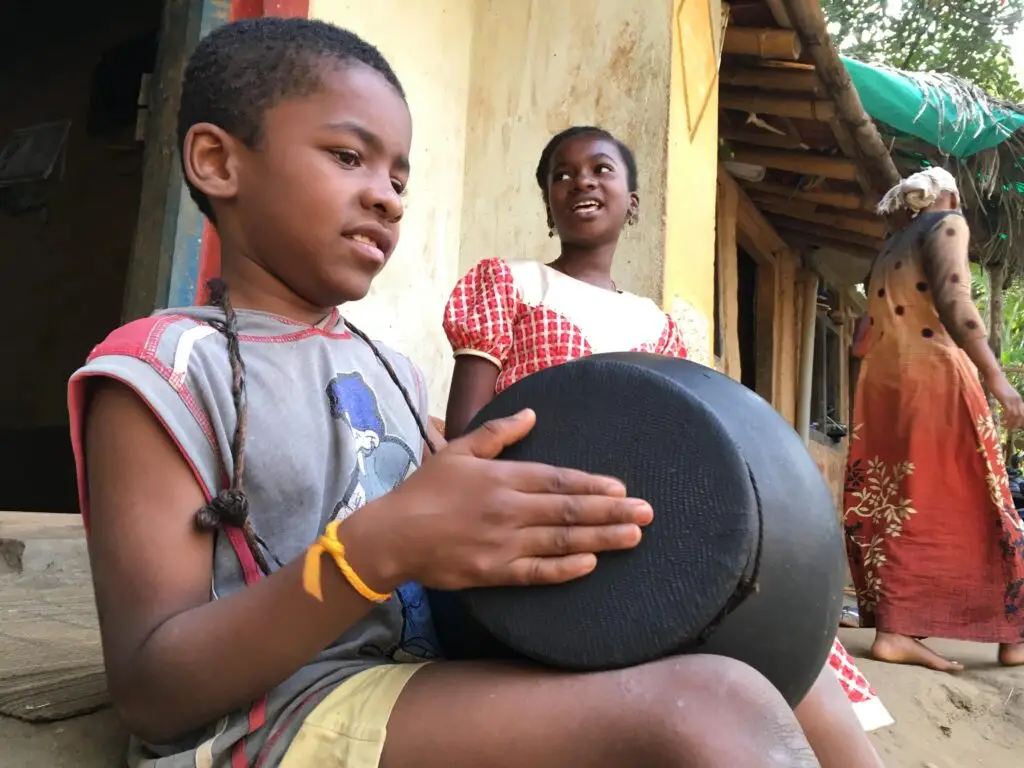
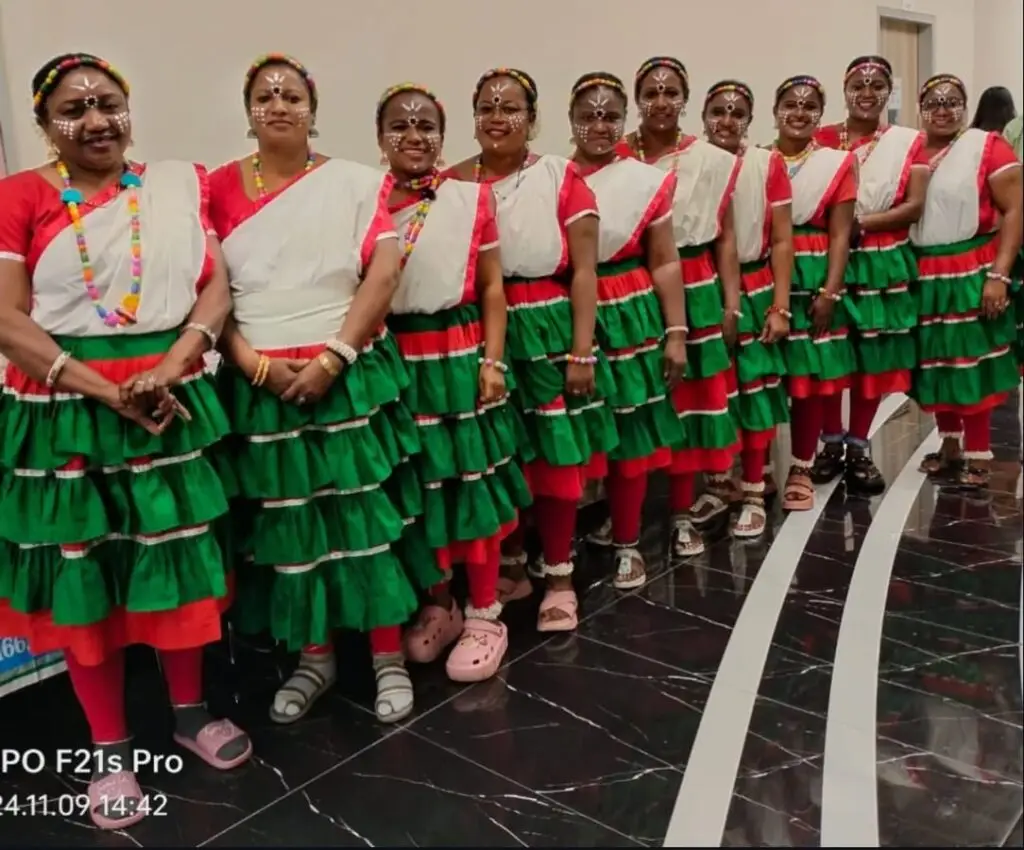
b) Dance & Drumming: Rhythm of Heritage of Siddi Community of India
The Siddi community’s dance and drumming carry the heartbeat of their African ancestry. Every drumbeat echoes the rhythms of Africa, while the movements of their traditional dances blend seamlessly with Indian festival customs.
Performed during weddings, harvests, and community celebrations, these performances are more than entertainment — they are a living story of resilience, identity, and joy. Through drum and dance, Siddis connect generations, celebrate their roots, and proudly keep their culture alive.
c) Songs & Stories: Voices of the Past of Siddi Community of India
In the Siddi community of india , elders keep history alive through ballads and folk songs. These melodies tell tales of migration, struggle, survival, and faith — echoing the journey from Africa to India.
Each song carries lessons, memories, and a sense of belonging, connecting the younger generation to their roots. Through these stories, Siddis preserve their identity, honor their ancestors, and celebrate the resilience that defines their culture.
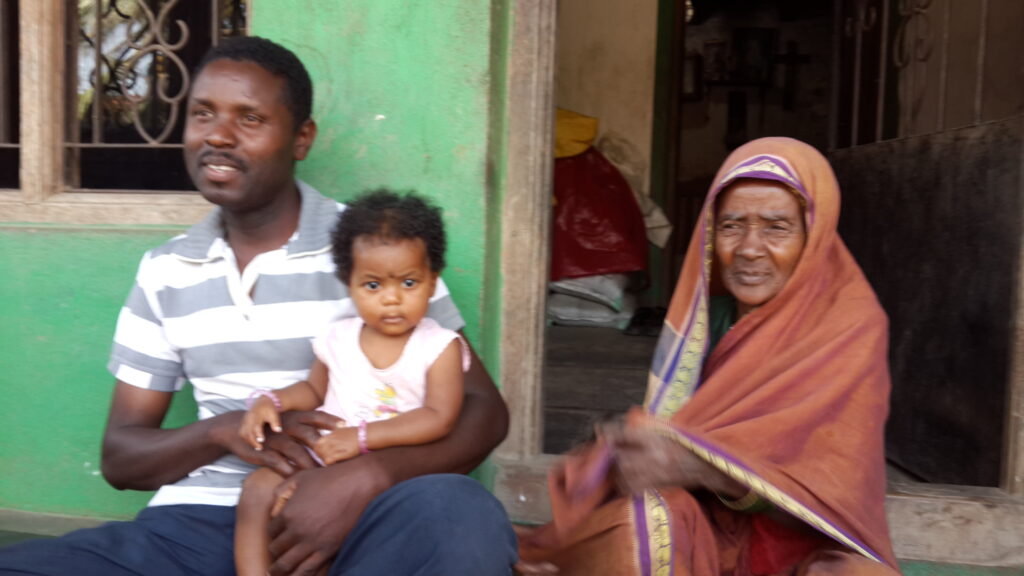
d) Community Living: Strength in Togetherness
the siddi community of inida lives In the forest hamlets. Families farm side by side, celebrate festivals together, and support each other through every hardship.
This strong sense of community is the backbone of Siddi cultureSiddi Community of India — a living testament to resilience, cooperation, and the joy of belonging. Here, no one stands alone; every success and struggle is shared, weaving bonds that last generations.
Our food is simple — rice, ragi, jackfruit, and fish. Our homes are often mud houses surrounded by fields and forest. Life is not easy, but it is rooted in dignity and tradition.
We are not a forgotten people.
We are a living heritage.
Identity Is More Than a Label
In 2003, the government of Karnataka granted Scheduled Tribe (ST) status to the Siddi Community of India .This recognition was historic — but it did not erase centuries of exclusion. Landlessness, lack of education, and unemployment still trap many families in poverty.
That is why the community has taken charge of its own future.
That is why the community has taken charge of its own future.
We do not seek pity.
Labels like “foreigners” no longer define our identity.
True recognition comes from seeing us for who we are — proud, resilient Indians.
Why This Story Matters
The story of Siddi Community of India isn’t just history — it’s alive today, and it’s shaping the future.
It’s not a story of Africa versus India; it’s a story of migration, survival, and belonging.
For centuries, we were silent. Today, our voice is rising — loud, proud, and unshakable.
Here in our communities, resilience defines us.
Our journey moves forward toward a future where no Siddi will ever be asked, “Are you foreigners?”
Our journey is proof that identity is more than ancestry — it’s courage, culture, and the courage to rise.


If you’ve never met a Siddi before, Now you have.
Farmers, artists, workers, and dreamers — this is who we are.
Storytellers, quilt-makers, drummers, and dancers carry our traditions forward.
Far from outsiders, we stand rooted, resilient, and proudly Indian.
Our identity stretches from Africa to the forests of Karnataka, Goa, Gujarat, and beyond, marking us as India’s own Siddi Community of India.
And now we ask you: Will you see us for who we truly are?
Will you celebrate our culture, our struggles, and our dreams — not as a distant story, but as part of India’s living heritage?
Our journey moves forward toward a future where no Siddi child or person will ever be asked, “Are you foreigners?” — just because we look African, when in truth our habits, food, language, and way of life are entirely Indian, and we are proud of our rich and unique heritage.
From their African roots to their vibrant cultural identity, the Siddi Community of India stands as a testament to resilience and heritage. By learning about our journey, we not only honor our history but also celebrate India’s rich diversity. To explore more about our culture and initiatives, visit our blogs or support AKSSADA’s programs. What fascinates you most about the Siddi Community? Share your thoughts in the comments below!You can help us make this future a reality.
Follow our journey, support our programs, and join us in empowering the Siddi community of india. Together, we can turn challenges into opportunities.
.
This article is part of our broader documentation work. For extended narratives and original reports, visit akssada.com.